


We ship our bollards across the country every day, and we’ve fine-tuned our process to ensure that your order arrives safely, on time, and at the best possible rate.
Whether you're ordering a single post or a truckload of custom-fabricated bollards, here’s everything you need to know about how we prepare and ship our products.
Built for the Road: How We Package Your Bollards
Shipping bollards requires more than just a box and a label. From heavy duty pallets to custom-built pallets to support the size and weight of your order—especially when dealing with larger or unusually shaped bollards.
Each pallet is:
Strapped Securely using heavy-duty straps to keep the bollards stable during transit.
Spaced Properly with separators to prevent metal-on-metal contact that can cause scratches.
Stretch-Wrapped to protect against dust, dirt, and the elements while in transit.
Photographed and Weighed—every shipment is documented with photos, weights, and dimensions for tracking and damage claims if needed.
This attention to detail reduces damage and ensures that your bollards arrive in the same condition they left our facility.
Smart Freight Shopping: Best Rate + Best Transit Time
We don’t just plug your order into a freight calculator and call it done. Every LTL shipment is quoted across a wide network of national and regional carriers.
We balance:
Lowest Available Freight Rates
Shortest Possible Transit Times
Reliable Carriers Who Handle Heavy or Oversized Loads Well
Shipping costs and lead times vary significantly depending on your location, proximity to freight terminals, and whether the destination is a commercial address, construction site, or residential delivery. We’ll always choose the best option based on your priorities and delivery needs.
Prepare for Your Freight Delivery: Understanding the Delivery Process
Receiving a freight shipment requires more than simply unloading materials. Preparing your site and understanding carrier delivery requirements ahead of time can help prevent delays, unexpected accessorial charges, delivery complications, and refused shipments.
Our Freight Delivery & Shipping Guidelines resource was created to help customers better understand the freight delivery process from dispatch to final delivery.
Review important information regarding:
Delivery site accessibility and preparation
Liftgate, limited access, residential, and inside delivery services
Freight inspection procedures upon arrival
Common carrier delivery limitations and responsibilities
Shipment receiving best practices
Damage reporting and freight claim recommendations
Scheduling considerations for commercial and job site deliveries
Whether your shipment is being delivered to a commercial facility, warehouse, construction site, or residential location, reviewing these guidelines in advance helps ensure a smoother and more efficient delivery experience.
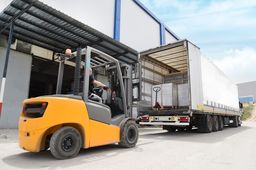
Receiving Your Shipment: What to Do on Delivery
When your bollards arrive:
1. Inspect the Pallet Before Signing
Check for visible damage or signs the pallet was tampered with.
2. Take Photos If Anything Looks Wrong
If the pallet is broken, wrapped improperly, or appears damaged, take clear pictures before accepting it.
3. Note Damage on the Bill of Lading
If there is any damage, it must be written on the Bill of Lading (BOL) before you sign for the delivery. This is critical for any freight claim.
4. Contact Us Immediately
We retain full documentation of all shipments, including pallet photos, weight, and dimensions. If there’s an issue, we’re on it.